
Blog / Ford Dealer

2027 Ford F-150 Engines: The 2.7L Is Gone, Here's What Replaced It
Ford 150 New
2027 Ford F-150 Engines: The 2.7L Is Gone, Here's What Replaced It
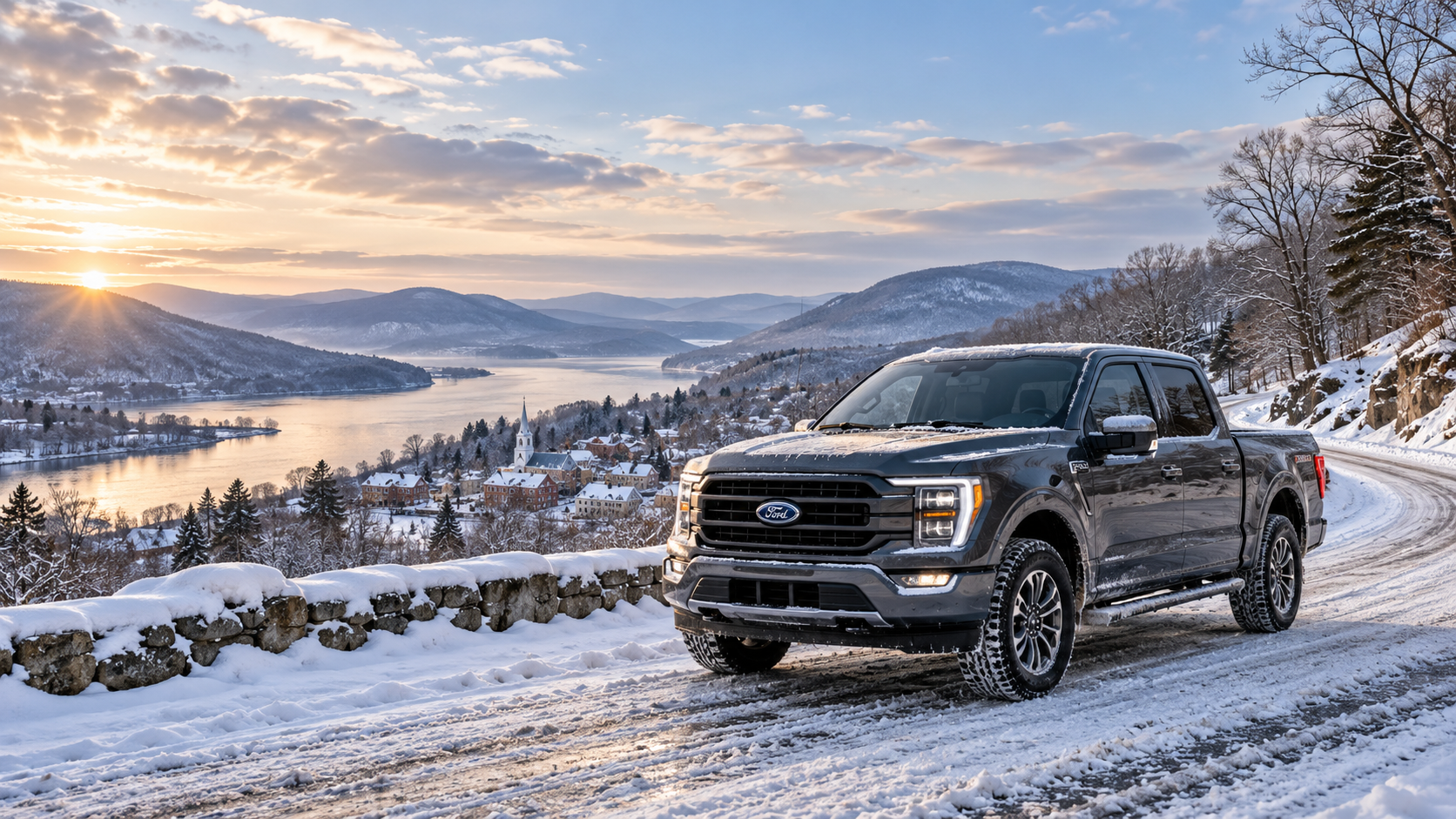
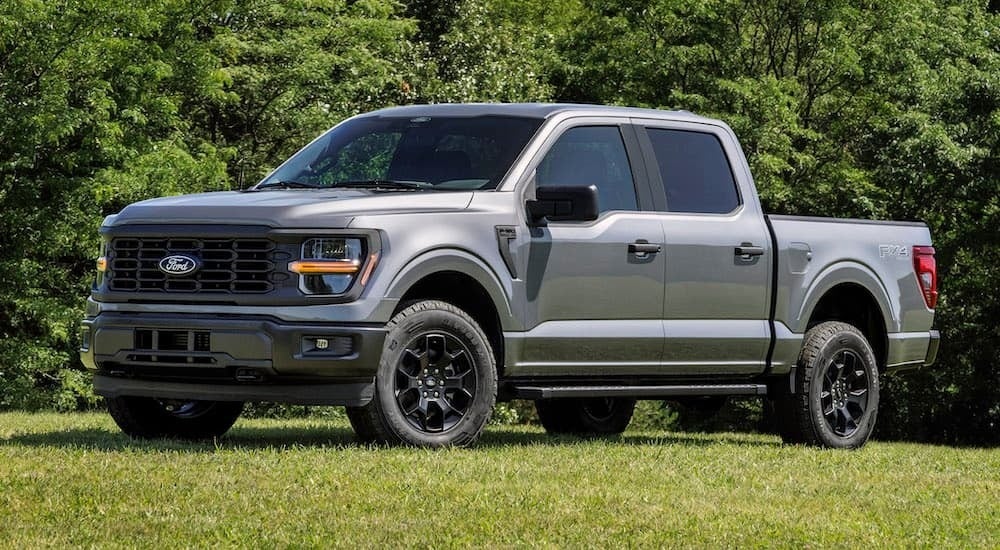
If you've been shopping for a new F-150, you may have heard the news: the 2.7L EcoBoost is done. For 2027, Ford retired one of its most popular truck engines and put a new 3.0L EcoBoost V6 in its place as the standard engine. The V8 is also back on more trims, which a lot of truck folks around here have been waiting for. We expect to have our first 2027 F-150 land here during the week of November 23rd, 2026! 

Here's a rundown of every 2027 F-150 engine, what changed, and how to pick the right one for the way you actually use your truck in the Hudson Valley. Every number below comes straight from Ford.

What Changed for 2027

- New standard engine: a 3.0L EcoBoost V6 replaces the 2.7L EcoBoost.
- The V8 is back on more trims: the 5.0L V8 returns to King Ranch and Platinum.
- Everything else carries over: the 3.5L EcoBoost, the 3.5L PowerBoost hybrid, and the Raptor engines all stick around.
- BlueCruise with Towing: hands-free highway driving now works with a trailer hooked up (more on that below).

Why Did Ford Drop the 2.7L EcoBoost?

The new 3.0L shares its core design with the 2.7L it replaces, and peak numbers are the same: 325 horsepower and 400 lb-ft of torque. So what's the point? It's all about where that torque shows up. Ford says the 3.0L delivers roughly 10 to 11 percent more torque in the rpm range where you do most of your daily driving.

In real life, that means a stronger pull when you're merging onto the Taconic, climbing out of the river valley on Route 199, or getting a loaded bed moving from a stop sign. You'll feel it more than you'll see it on a spec sheet. And it still runs on regular 87 octane.

2027 F-150 Engine Specs at a Glance

3.0L EcoBoost V6 (NEW)
- 325 hp / 400 lb-ft
- Max towing: 8,400 lbs.
- Max payload: 1,755 lbs.

5.0L V8
- 400 hp / 410 lb-ft
- Max towing: 12,800 lbs.*
- Max payload: 2,235 lbs.

3.5L EcoBoost V6
- 400 hp / 500 lb-ft
- Max towing: 13,500 lbs.* (highest in the lineup)
- Max payload: 2,440 lbs. (highest in the lineup)

3.5L PowerBoost Full Hybrid V6
- 430 hp / 570 lb-ft
- Max towing: 12,400 lbs.*
- Max payload: 2,045 lbs.

3.5L EcoBoost High-Output V6 (Raptor)
- 450 hp / 510 lb-ft
- Max towing: 8,200 lbs.
- Max payload: 1,405 lbs.

5.2L Supercharged V8 (Raptor R)
- 720 hp / 640 lb-ft
- Max towing: 8,700 lbs.
- Max payload: 1,410 lbs.

Ford ratings when properly equipped. Max towing and payload shown are the highest figure Ford lists for each engine and vary by cab, box, drivetrain, axle ratio, and options. *Requires SuperCrew with the Max Trailer Tow Package (53T) and optional Max Tow Axle. The Raptor engines' horsepower and torque are rated on premium fuel; the rest run on regular 87 octane. Horsepower, torque, towing, and payload ratings are independent and may not all be reached at once. Always check the doorjamb label on your specific truck.

Which 2027 F-150 Engine Is Right for You?

3.0L EcoBoost V6: The everyday truck

Perfect if your F-150 is your daily driver, your weekend dump-run hauler, and the thing that pulls a small utility trailer a few times a year. It's the standard engine on most XL, STX, and XLT trucks, and it's got more usable grunt down low than the engine it replaces.

5.0L V8: For the V8 loyalists

Some folks just want a V8, and that's fine by us. It's smooth, it sounds great, and it tows up to 12,800 lbs. when properly equipped. The big news for 2027 is that you can get it in a King Ranch or Platinum again, so you don't have to give up the nice interior to get the engine you want.

3.5L EcoBoost V6: The heavy hauler

If you tow a camper up to the Adirondacks, a boat to the Hudson, or a big equipment trailer for work, this is the one. With 500 lb-ft of torque, it carries the F-150's highest towing rating (13,500 lbs.) and highest payload (2,440 lbs.).

3.5L PowerBoost Hybrid: The truck that powers your house

It's the most powerful non-Raptor F-150 at 430 hp and 570 lb-ft, and it offers Pro Power Onboard with a 2.4 kW or 7.2 kW option. That's a real deal when a summer storm or an ice storm knocks the power out on your road. It can run tools on a job site, a fridge and a sump pump at home, or a campsite.

Raptor and Raptor R: The fun ones

The Raptor keeps its 450-hp high-output 3.5L EcoBoost, and the Raptor R keeps its 720-hp supercharged 5.2L V8. Ford also added a new entry-level Raptor for 2027 that drops some comfort features but keeps all the off-road hardware, so the price of getting in the door is lower.

New for 2027: BlueCruise with Towing

Here's one our towing customers are going to love. BlueCruise, Ford's hands-free highway driving system, now works while you're pulling a boat, camper, or trailer. It's available on more than 130,000 miles of pre-qualified divided highways, on every 2027 F-150 that has BlueCruise (XLT, Tremor, Lariat, King Ranch, and Platinum). If you already have an active BlueCruise subscription, the towing feature doesn't cost anything extra.

A couple of things to know: not every BlueCruise function works while towing, it depends on your trailer's type, size, and weight, and you still need to keep your eyes on the road the whole time. Our team is happy to walk you through how it works before you hit the Thruway with your camper.

Not Sure Which Engine Fits Your Life?

Stop by Ruge's Ford in Rhinebeck and take a few back to back. Tell us what you tow, how far you drive, and what you need the truck to do, and we'll point you to the right one. No pressure, just honest answers.

Shop 2027 F-150 Inventory | Call 845-876-4440


Want to go deeper on drivetrains? Check out our guide to Ford 4x4 and AWD on Hudson Valley back roads.

2027 F-150 Engine FAQ

Does the 2027 F-150 still have the 2.7L EcoBoost?

No. Ford retired the 2.7L EcoBoost for 2027 and replaced it with a new 3.0L EcoBoost V6 as the standard engine.

How much horsepower does the 2027 F-150 3.0L EcoBoost have?

The 3.0L EcoBoost V6 makes 325 horsepower and 400 lb-ft of torque, the same peak numbers as the 2.7L. Ford says it delivers roughly 10 to 11 percent more torque in everyday driving rpm ranges.

Can you get a V8 in the 2027 F-150?

Yes. The 5.0L V8 makes 400 hp and 410 lb-ft, and for 2027 it's back on King Ranch and Platinum trims. The Raptor R also uses a 720-hp supercharged 5.2L V8.

Which 2027 F-150 engine tows the most?

The 3.5L EcoBoost V6, rated up to 13,500 lbs. when properly equipped on a SuperCrew 4x4 with the Max Trailer Tow Package (53T) and optional Max Tow Axle.

Does the 2027 F-150 need premium gas?

Ford recommends regular 87 octane for the 3.0L EcoBoost, 5.0L V8, 3.5L EcoBoost, and PowerBoost hybrid. Ford recommends premium fuel for the Raptor's high-output 3.5L and the Raptor R's supercharged 5.2L V8.

What is BlueCruise with Towing?

It's Ford's hands-free highway driving system, now able to work while you tow a boat, camper, or trailer on more than 130,000 miles of pre-qualified divided highways. It's available on BlueCruise-equipped 2027 F-150 XLT, Tremor, Lariat, King Ranch, and Platinum trucks at no extra charge with an active BlueCruise subscription.
Posted in:

Related Posts

Used Ford Edge

Ford Edge or Ford Escape? A Used SUV Comparison from Ruge’s Ford

Choosing between a used Ford Edge and a used Ford Escape really comes down to space versus efficiency. The midsize Edge is the one for you if you want a wider cabin, more shoulder room, standard all-wheel drive on 2021 and newer models, and a quiet highway ride. The compact Escape is the better pick if you're a daily commuter who wants easier parking, better fuel economy, available hybrid powertrains, and a lower purchase price. Both crossovers have a lot going for them, so it really depends on how you drive and who's riding along. The Edge sits between the compact Escape and the three-row Explorer in Ford's lineup. Ford ended U.S. production of the Edge after the 2024 model year, so if you want one, pre-owned is now the only way to get it. The Escape is smaller on the outside, but its sliding second-row seat lets you trade rear legroom for cargo space whenever you need to. If fuel costs are top of mind, the Escape is going to save you money at the pump. Its lighter weight and wide range of powertrains, from a turbocharged three-cylinder to a turbo four-cylinder to hybrid and plug-in hybrid options, all add up to lower fuel use on everyday drives. The Edge answers back with standard Intelligent AWD on late-model years, more hip and shoulder room in both rows, and a strong 250-horsepower 2.0L EcoBoost engine. Stop by our Rhinebeck showroom and you can test drive both back to back. We'll walk you through each vehicle's history, explain Ford Blue Advantage certified pre-owned coverage, and help you figure out which one fits your life. Give us a call at 845-876-4440 to check on current pre-owned Ford availability. How Do the Ford Edge and Escape Compare in Passenger Room, Cargo Space, and Exterior Length? The Edge is nearly 9 inches longer and a bit wider than the Escape, which gives it about 10 more cubic feet of passenger volume and extra shoulder room in both rows. The midsize Edge measures roughly 189 inches bumper to bumper, while the compact Escape comes in around 180 inches. That size difference shows up in how each one parks and how each one packs. The Escape's shorter length makes it easier to slip into tight parallel spots around downtown Rhinebeck. The Edge's extra length and width pay off inside, where five adults get more breathing room: about 114 cubic feet of passenger volume compared to about 104 in a gas-powered Escape. When it comes to cargo, both handle strollers, luggage, and the weekly grocery run with ease: Ford Edge cargo space: about 39 cubic feet behind the second row, growing to about 73 cubic feet with the 60/40 split rear seatbacks folded flat. Ford Escape cargo space: about 37.5 cubic feet behind the second row in gas models, growing to about 65 cubic feet with the rear seats down. Hybrid and plug-in hybrid models give up a little room for the battery, at about 34 and 61 cubic feet. Shoppers on our lot often try the Escape's sliding second row first, then hop into the Edge's wider back bench to see which one fits their routine. The Escape's rear seat slides forward or back up to 6 inches, so you can choose extra legroom or a deeper cargo area without folding anything down. The Edge keeps a fixed rear seat and leans on its wider body to give three passengers more hip and shoulder room. Is a Used Ford Edge More Expensive Than an Escape, and Which Holds Its Value Better? A used Edge usually costs several thousand dollars more than a similar model-year Escape. That's mostly because of its bigger size, higher original sticker price, and longer list of standard features. Exact pricing moves with mileage, trim, and condition, so give us a call and we'll show you what's on the lot right now. Standard equipment explains a lot of the gap. Late-model Edge trims, including the SE, SEL, ST-Line, Titanium, and the performance-focused ST, all come with all-wheel drive. On 2023 and newer Escape models, trims run from Active through ST-Line, ST-Line Select, ST-Line Elite, and Platinum, plus the Plug-In Hybrid. Many Escape models came with front-wheel drive, with all-wheel drive available on gas and hybrid versions. As for resale, both depreciate on a fairly typical curve for two-row crossovers. Midsize two-row SUVs stay in steady demand on the used market, and with the Edge now out of production, clean low-mileage examples are a popular choice for buyers who want midsize room without stepping up to a three-row SUV. Is There a Hybrid or Plug-In Hybrid Option for the Used Ford Edge or Escape? Only the Escape offers a plug-in hybrid (PHEV), with up to 37 miles of all-electric range before it switches over to gas-electric hybrid driving. The Edge was sold in the U.S. with gas engines only and never came as a hybrid or plug-in. The Escape PHEV pairs a 2.5-liter four-cylinder with an electric motor and a rechargeable lithium-ion battery for 210 total system horsepower. On electricity alone, it can cover a lot of short daily commutes without burning any gas. Once the battery runs down, it drives like a regular hybrid and earns an EPA-estimated 40 mpg combined. Keep in mind the PHEV is front-wheel drive only. If you want hybrid efficiency without plugging in, look for the Escape Hybrid. It makes 192 horsepower, comes in front-wheel or all-wheel drive, and is rated at up to 39 mpg combined on late-model years. By comparison, the Edge's 2.0L EcoBoost is EPA-rated at 23 mpg combined (21 city / 28 highway) with all-wheel drive. If keeping fuel bills low is the goal, the Escape's hybrid options are tough to beat. Which Used Ford SUV Is More Reliable, Quieter on the Highway, and Easier to Maintain? The Edge has the quieter cabin at highway speeds, thanks to its acoustic glass and extra sound insulation. Both crossovers hold up well mechanically when they're kept on their regular maintenance schedule. On long interstate drives, the Edge does a great job keeping wind and road noise out. Both use proven Ford hardware, but each has a few things worth keeping an eye on at service time: Ford Edge: All-wheel-drive models use a Power Transfer Unit (PTU), and regular fluid checks and changes help keep the driveline healthy for the long haul. Late-model Edges have the SYNC 4A system with a 12-inch vertical touchscreen, which can receive over-the-air software updates. Ford Escape: Gas models with the 1.5L EcoBoost three-cylinder or 2.0L EcoBoost four-cylinder need routine synthetic oil changes, air filters, and spark plugs at the recommended intervals. Hybrids need very little beyond the basics, and regenerative braking helps brake pads last longer. Both come with the Ford Co-Pilot360 driver-assist suite, which includes Pre-Collision Assist with Automatic Emergency Braking, BLIS (Blind Spot Information System) with Cross-Traffic Alert, and the Lane-Keeping System. For extra peace of mind, Ford Blue Advantage Gold Certified vehicles come with a 12-month/12,000-mile comprehensive limited warranty and a 7-year/100,000-mile powertrain limited warranty after passing a 172-point inspection. Common Questions About Choosing Between a Used Ford Edge and Ford Escape How do towing capacities compare between a used Ford Edge and Ford Escape? A late-model Edge is rated to tow up to 3,500 lbs when properly equipped with the trailer tow package, whether it has the 2.0L EcoBoost or the ST's 2.7L V6. The Escape can match that 3,500-lb rating only with the 2.0L EcoBoost and the available Class II Trailer Tow Package. Escape models with the 1.5L EcoBoost are rated at 2,000 lbs, and Hybrid and Plug-In Hybrid models at 1,500 lbs, so the Edge is the more capable tow vehicle across more of its lineup. Is all-wheel drive standard on both used Ford crossovers? All-wheel drive is standard on every Ford Edge from the 2021 through 2024 model years. On the Escape, many trims came standard with front-wheel drive, and Intelligent AWD was available on gas and Hybrid models. The Escape Plug-In Hybrid is front-wheel drive only. How does rear legroom compare between the Edge and Escape? The Escape offers up to 40.7 inches of rear legroom with its sliding second row pushed all the way back, just edging out the Edge's 40.6 inches. The Edge, though, has noticeably more rear shoulder and hip room, which makes it the more comfortable choice for three adults sitting side by side. What touchscreen sizes come in late-model used Edge and Escape models? Late-model Edges (2021 and newer) come standard with a 12-inch vertical touchscreen running SYNC 4A with wireless Apple CarPlay and Android Auto. 2023 and newer Escape models come standard with an 8-inch touchscreen running SYNC 4, and higher trims offer an available 13.2-inch screen. Does either crossover need premium gas? No. Both the Edge and Escape are designed to run on regular 87-octane unleaded. Premium can add a little extra performance to the turbocharged EcoBoost engines when you're towing or accelerating hard, but it isn't required for everyday driving. Drive Home the Right Used Ford SUV from Ruge's Ford in Rhinebeck The best way to choose is to drive both on local roads and see how each one feels: the seating, the visibility, and how it handles. Whether you're leaning toward the Escape's fuel savings and sliding rear seat or the Edge's roomy cabin and quiet ride, our team is happy to walk you through what we have in stock. Our finance team can help you compare purchase options, get a value on your trade-in, and find a payment that works for your budget. And every Certified Pre-Owned Ford on our lot goes through a thorough inspection before it's ready for you. Come see us at Ruge's Ford in Rhinebeck to compare a used Edge and Escape side by side, or call our sales team at 845-876-4440 to set up your test drive. We'd love to help you find the right fit. Used 2024 Ford Escape, Ruge's Ford

F-150 Winter

How to Get Your Vehicle Ready for a Hudson Valley Winter

If you've lived in the Hudson Valley for more than one winter, you know how it goes. One week you're enjoying the leaves along Route 9, and the next you're scraping ice off the windshield at 6:30 in the morning and hoping the car starts. The good news? Most winter breakdowns are preventable. A little attention now, before the first real cold snap, can save you from a dead battery in a parking lot or a slippery ride home on the Taconic. Here's what to check, whether you're driving something brand new or a trusty used vehicle with a few miles on it. Winter Ready Special: Only $49.95! Our technicians will check the essentials on this list for you, and you'll get a digital inspection report texted right to your phone. Add it to any service visit or book it on its own. Offer expires 10/31/2026. See dealer for details. 1. Test Your Battery Before It Tests You Cold weather is tough on batteries. Low temperatures slow down the chemical reaction that gives your battery its power, while your engine needs more of that power to turn over on a frosty morning. A battery that seemed fine in September can quit on the first single-digit night. If your battery is three or more years old, or you've noticed slower starts or dim headlights at idle, get it tested. A quick battery and charging system test shows whether the battery, alternator, and connections are holding up, so you can replace a weak battery on your schedule instead of in a snowy parking lot. 2. Check Tire Tread and Pressure Your tires are the only thing touching the road, and in winter that road might be slush, black ice, or packed snow. Two things matter most: Tread depth. Worn tread can't push slush and water out of the way, which means less grip when you need it. Try the penny test: put a penny in the tread with Lincoln's head upside down. If you can see the top of his head, it's time to talk tires. Pressure. Tire pressure drops as temperatures fall, roughly 1 PSI for every 10 degrees. That's why your tire pressure light loves to pop on during the first cold morning of the season. Check pressure monthly and fill to the number on your driver's door jamb, not the number on the tire sidewall. Thinking about dedicated winter tires? Check out our post on When Should You Switch to Winter Tires in the Hudson Valley? for timing tips. 3. Look at Belts, Hoses, and Brakes Rubber gets stiff and brittle in the cold. A belt or hose that's already cracked or worn is much more likely to fail when temperatures drop, and a failed serpentine belt or coolant hose can leave you stranded fast. Brakes deserve a look too. Stopping distances get longer on wet and icy roads, so you want your pads and rotors in good shape before the season starts, not halfway through it. If you hear squealing or grinding, or the pedal feels soft, don't wait. 4. Make Sure Your Coolant Is Up to the Job Coolant, also called antifreeze, does exactly what that second name says. It keeps the fluid in your engine from freezing and protects against corrosion. Over time it can get diluted or break down, which lowers its freeze protection. A quick strength test tells you whether your coolant can handle a true Hudson Valley cold snap. 5. Swap Wiper Blades and Top Off Washer Fluid Road salt spray can turn your windshield into a gray smear in about a mile. Streaky or chattering wiper blades make that worse, especially at night. Fresh blades are inexpensive and make a huge difference. Fill your reservoir with a winter-rated washer fluid that won't freeze, and keep an extra jug in the trunk. You'll go through more than you think. 6. Check Your Heater, Defroster, and Lights Your defroster isn't just about comfort. If you can't clear your windshield, you can't see. Make sure the heater blows warm, the front and rear defrosters work, and every exterior light is shining. With shorter days, you'll be driving in the dark more often, and other drivers need to see you too. Driving Something New? You're Not Off the Hook A new vehicle has a fresh battery and fresh fluids, but a few winter basics still apply: Tire pressure drops in the cold no matter how new the tires are Factory all-season tires may not be the best choice for regular snow driving Get to know your vehicle's winter features, like drive modes, remote start, and heated mirrors, before you need them Pack a winter emergency kit (more on that below) Bought Used? Winter Prep Matters Even More If you picked up a pre-owned vehicle this year, you may not know exactly how old the battery is, when the coolant was last changed, or how much life the belts and hoses have left. That's not a knock on used vehicles. It just means a winter inspection is a smart first step. Our Winter Ready Special is a great way to get a baseline. You'll get a digital inspection report on your phone showing what's in good shape and what to keep an eye on, so you can plan ahead instead of being surprised. Pack a Winter Emergency Kit Whether you're commuting to Poughkeepsie or heading up to the mountains for the weekend, keep these in your vehicle from November through March: Ice scraper and snow brush Blanket, gloves, and a warm hat Flashlight with extra batteries Phone charger Jumper cables or a portable jump starter Small shovel and a bag of sand or kitty litter for traction Water and a few snacks Extra washer fluid And a simple habit that helps: try to keep your gas tank at least half full in winter. It gives you a cushion if you get stuck in traffic or a storm. Let Us Handle the Checklist for You You could work through all of this on your own, or you could let our technicians knock it out in one visit. Our Winter Ready Special is just $49.95 and includes: Battery and charging system test Tire tread, pressure, and condition check Belts, hoses, and brakes visual inspection Coolant and antifreeze strength test Wiper blades check and washer fluid top-off Heater, defroster, and exterior lights check Plus a digital inspection report texted right to your phone Add it on to any service visit, or book it as a standalone service. The offer runs through October 31, 2026, so now's the time to get on the schedule before the first storm rolls in. Call Ruge's Ford in Rhinebeck at 845-876-4440 to book your Winter Ready service. We'll help you head into winter with confidence. Frequently Asked Questions When should I get my car ready for winter in the Hudson Valley? October and early November are ideal. You want your battery, tires, coolant, and wipers checked before the first hard freeze and first snowfall, not after. Why does cold weather drain my car battery? Cold slows the chemical reaction inside the battery, so it delivers less power, while the engine needs more power to start. Older or weak batteries often fail on the first very cold morning. Why does my tire pressure light come on when it gets cold? Tire pressure drops as temperatures fall, roughly 1 PSI for every 10 degrees. Fill your tires to the pressure listed on your driver's door jamb. Does a new car need winter prep? Yes. A new vehicle still needs correct tire pressure, winter-rated washer fluid, and an emergency kit, and you may want winter tires if you drive in snow often. What's included in the Ruge's Winter Ready Special? For $49.95, you get a battery and charging system test, tire tread and pressure check, belts, hoses, and brakes visual inspection, coolant strength test, wiper and washer fluid service, heater, defroster, and lights check, plus a digital inspection report texted to your phone. The offer expires 10/31/2026. Winter Ready Special $49.95. Offer expires 10/31/2026. Add on to any vehicle service visit or as a standalone service. Parts, fluids, and repairs identified during inspection are additional. See dealer for details.

5 Reasons to Consider the 2024 Ford Ranger

For drivers who want the utility of a truck without the bulk of a full-sized model, the 2024 Ford Ranger is a standout choice. This midsize pickup is perfectly balanced in both size and capability, making it ideal for those who need performance and practicality at a lesser price point! Whether you're commuting to work, tackling weekend projects, or venturing into the great outdoors, here's why the Ranger hits the sweet spot. 1. Just the Right Size for Everyday Life The 2024 Ford Ranger is engineered with the average driver in mind. With its midsize frame, the Ranger provides a comfortable, manageable driving experience that makes it easy to navigate through city streets, tight parking lots, and winding country roads. You get the visibility and command of a truck without the limitations that can come with larger models, like parking struggles or low fuel efficiency. 2. Built for Adventure and Utility Despite its smaller size, the Ranger packs a serious punch when it comes to performance. Equipped with a 2.3L EcoBoost engine that delivers ample power and torque, the Ranger has the muscle to tow up to 7,500lbs. This towing capacity means it's ready for your weekend toys, from jet-skis and boats to ATVs. And with the available Tremor Off-Road Ranger (2.7L EcoBoost V6 with 315HP!), the Ranger is trail-ready with features like off-road-tuned suspension and skid plates, making it a go-to for outdoor enthusiasts. The smaller engine in the Ford Ranger, doesn't mean a sacrifice of power -- because the truck weighs less than the F-150, it still has more than enough get-up and go! 3. Comfort and Technology for the Modern Driver The 2024 Ranger doesn't skimp on interior features either. It's designed for comfort, with available options like leather seating, dual-zone climate control, and a suite of infotainment tech including the user-friendly SYNC 4 system with a 12-inch touchscreen. With Apple CarPlay, Android Auto, and navigation, you have everything you need for a connected drive. The Ranger makes daily commutes and long trips enjoyable, blending ruggedness with the convenience of a high-tech cabin. 4. Fuel Efficiency that Keeps Up with Busy Schedules Unlike full-sized trucks, the Ranger's midsize build allows it to achieve better fuel efficiency. Its EcoBoost engine is engineered to provide power while keeping fuel consumption low, so you don't have to compromise between capability and efficiency. The 2024 Ford Ranger is rated at 24mpg highway and 20mpg city. This makes it an excellent choice for drivers who use their truck regularly for both work and play, offering fewer stops at the gas pump and more miles on the road. 5. Safety and Reliability from Ford Ford is known for prioritizing safety, and the 2024 Ranger is no exception. With available safety features like the Ford Co-Pilot360 suite, which includes lane-keeping assist, blind-spot monitoring, and adaptive cruise control, the Ranger offers peace of mind for the average driver. This truck is built to handle life's unexpected challenges with ease, keeping you and your passengers secure wherever the road may lead. The Bottom Line: Practicality Meets Power Starting at just $33,000, the 2024 Ford Ranger combines just the right size with impressive capability, making it an excellent choice for drivers who want a truck that can handle both everyday tasks and weekend adventures. With a manageable frame, powerful performance, modern tech, and efficient fuel consumption, the Ranger proves that sometimes, the perfect fit really does exist. Looking to test drive the 2024 Ford Ranger? Stop by Ruge's Ford and experience firsthand how this midsize truck is exactly what you've been waiting for!