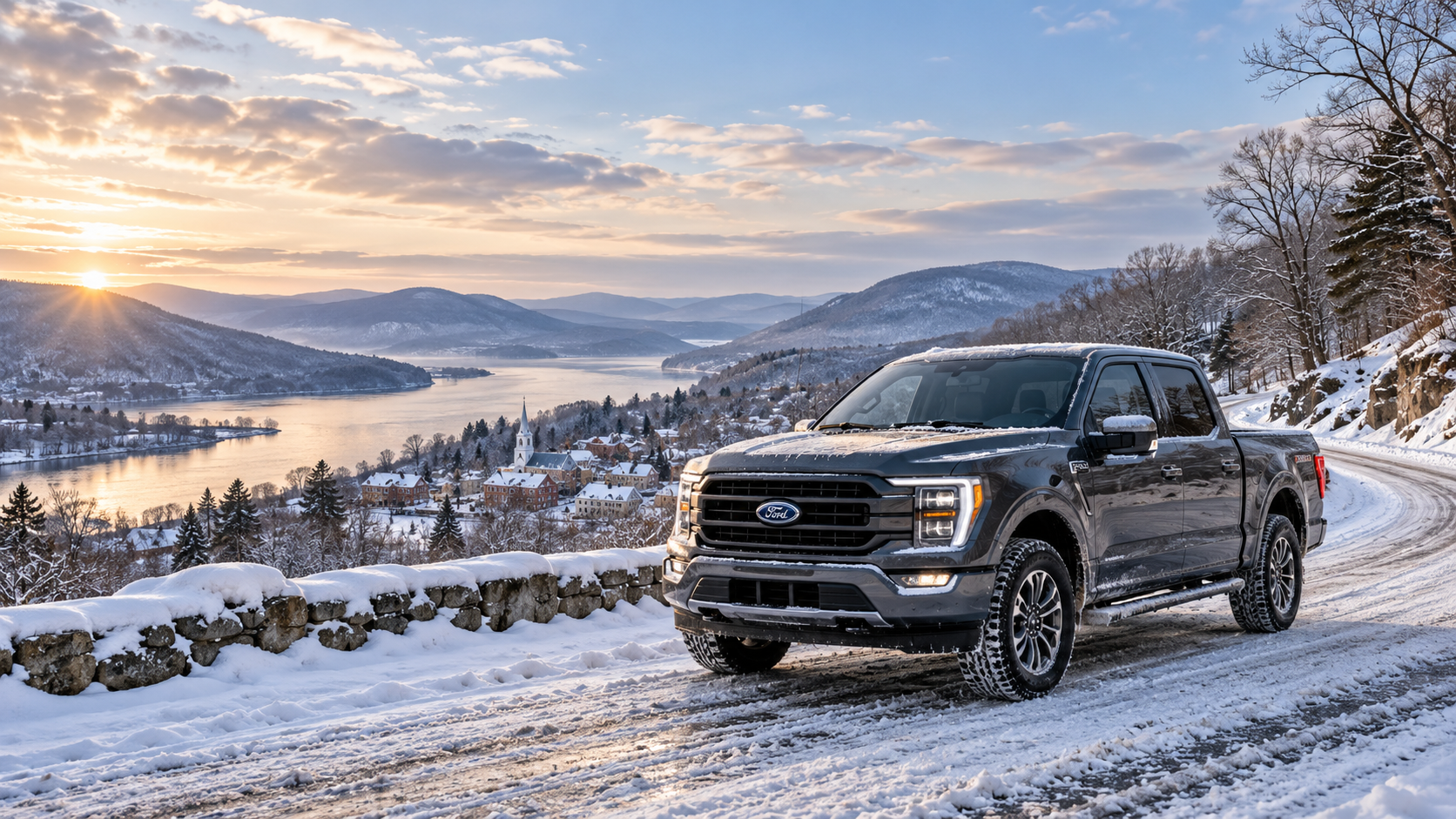

If you've lived in the Hudson Valley for more than one winter, you know how it goes. One week you're enjoying the leaves along Route 9, and the next you're scraping ice off the windshield at 6:30 in the morning and hoping the car starts. The good news? Most winter breakdowns are preventable. A little attention now, before the first real cold snap, can save you from a dead battery in a parking lot or a slippery ride home on the Taconic. Here's what to check, whether you're driving something brand new or a trusty used vehicle with a few miles on it. Winter Ready Special: Only $49.95! Our technicians will check the essentials on this list for you, and you'll get a digital inspection report texted right to your phone. Add it to any service visit or book it on its own. Offer expires 10/31/2026. See dealer for details. 1. Test Your Battery Before It Tests You Cold weather is tough on batteries. Low temperatures slow down the chemical reaction that gives your battery its power, while your engine needs more of that power to turn over on a frosty morning. A battery that seemed fine in September can quit on the first single-digit night. If your battery is three or more years old, or you've noticed slower starts or dim headlights at idle, get it tested. A quick battery and charging system test shows whether the battery, alternator, and connections are holding up, so you can replace a weak battery on your schedule instead of in a snowy parking lot. 2. Check Tire Tread and Pressure Your tires are the only thing touching the road, and in winter that road might be slush, black ice, or packed snow. Two things matter most: Tread depth. Worn tread can't push slush and water out of the way, which means less grip when you need it. Try the penny test: put a penny in the tread with Lincoln's head upside down. If you can see the top of his head, it's time to talk tires. Pressure. Tire pressure drops as temperatures fall, roughly 1 PSI for every 10 degrees. That's why your tire pressure light loves to pop on during the first cold morning of the season. Check pressure monthly and fill to the number on your driver's door jamb, not the number on the tire sidewall. Thinking about dedicated winter tires? Check out our post on When Should You Switch to Winter Tires in the Hudson Valley? for timing tips. 3. Look at Belts, Hoses, and Brakes Rubber gets stiff and brittle in the cold. A belt or hose that's already cracked or worn is much more likely to fail when temperatures drop, and a failed serpentine belt or coolant hose can leave you stranded fast. Brakes deserve a look too. Stopping distances get longer on wet and icy roads, so you want your pads and rotors in good shape before the season starts, not halfway through it. If you hear squealing or grinding, or the pedal feels soft, don't wait. 4. Make Sure Your Coolant Is Up to the Job Coolant, also called antifreeze, does exactly what that second name says. It keeps the fluid in your engine from freezing and protects against corrosion. Over time it can get diluted or break down, which lowers its freeze protection. A quick strength test tells you whether your coolant can handle a true Hudson Valley cold snap. 5. Swap Wiper Blades and Top Off Washer Fluid Road salt spray can turn your windshield into a gray smear in about a mile. Streaky or chattering wiper blades make that worse, especially at night. Fresh blades are inexpensive and make a huge difference. Fill your reservoir with a winter-rated washer fluid that won't freeze, and keep an extra jug in the trunk. You'll go through more than you think. 6. Check Your Heater, Defroster, and Lights Your defroster isn't just about comfort. If you can't clear your windshield, you can't see. Make sure the heater blows warm, the front and rear defrosters work, and every exterior light is shining. With shorter days, you'll be driving in the dark more often, and other drivers need to see you too. Driving Something New? You're Not Off the Hook A new vehicle has a fresh battery and fresh fluids, but a few winter basics still apply: Tire pressure drops in the cold no matter how new the tires are Factory all-season tires may not be the best choice for regular snow driving Get to know your vehicle's winter features, like drive modes, remote start, and heated mirrors, before you need them Pack a winter emergency kit (more on that below) Bought Used? Winter Prep Matters Even More If you picked up a pre-owned vehicle this year, you may not know exactly how old the battery is, when the coolant was last changed, or how much life the belts and hoses have left. That's not a knock on used vehicles. It just means a winter inspection is a smart first step. Our Winter Ready Special is a great way to get a baseline. You'll get a digital inspection report on your phone showing what's in good shape and what to keep an eye on, so you can plan ahead instead of being surprised. Pack a Winter Emergency Kit Whether you're commuting to Poughkeepsie or heading up to the mountains for the weekend, keep these in your vehicle from November through March: Ice scraper and snow brush Blanket, gloves, and a warm hat Flashlight with extra batteries Phone charger Jumper cables or a portable jump starter Small shovel and a bag of sand or kitty litter for traction Water and a few snacks Extra washer fluid And a simple habit that helps: try to keep your gas tank at least half full in winter. It gives you a cushion if you get stuck in traffic or a storm. Let Us Handle the Checklist for You You could work through all of this on your own, or you could let our technicians knock it out in one visit. Our Winter Ready Special is just $49.95 and includes: Battery and charging system test Tire tread, pressure, and condition check Belts, hoses, and brakes visual inspection Coolant and antifreeze strength test Wiper blades check and washer fluid top-off Heater, defroster, and exterior lights check Plus a digital inspection report texted right to your phone Add it on to any service visit, or book it as a standalone service. The offer runs through October 31, 2026, so now's the time to get on the schedule before the first storm rolls in. Call Ruge's Ford in Rhinebeck at 845-876-4440 to book your Winter Ready service. We'll help you head into winter with confidence. Frequently Asked Questions When should I get my car ready for winter in the Hudson Valley? October and early November are ideal. You want your battery, tires, coolant, and wipers checked before the first hard freeze and first snowfall, not after. Why does cold weather drain my car battery? Cold slows the chemical reaction inside the battery, so it delivers less power, while the engine needs more power to start. Older or weak batteries often fail on the first very cold morning. Why does my tire pressure light come on when it gets cold? Tire pressure drops as temperatures fall, roughly 1 PSI for every 10 degrees. Fill your tires to the pressure listed on your driver's door jamb. Does a new car need winter prep? Yes. A new vehicle still needs correct tire pressure, winter-rated washer fluid, and an emergency kit, and you may want winter tires if you drive in snow often. What's included in the Ruge's Winter Ready Special? For $49.95, you get a battery and charging system test, tire tread and pressure check, belts, hoses, and brakes visual inspection, coolant strength test, wiper and washer fluid service, heater, defroster, and lights check, plus a digital inspection report texted to your phone. The offer expires 10/31/2026. Winter Ready Special $49.95. Offer expires 10/31/2026. Add on to any vehicle service visit or as a standalone service. Parts, fluids, and repairs identified during inspection are additional. See dealer for details.